
The Great Divergence
Q1 2025 Updates from Medius Earth


Geopolitics is featuring increasingly in our conversations with various stakeholders and the perceived uncertainty in climate action has heightened. This is leading to “the great divergence”, essentially the decoupling of the popular narrative from the physical realities of the planet. In Q1, the LA wildfires (views on personal blog here) and South Korea wildfires were a stark reminder of the physical realities of our lives.
Our thoughts? Keep our heads down and continue to do what we can to restore degraded lands, increase biodiversity and make efforts to improve the conditions of our biosphere. Times like these call for like-minded actors to coalesce and support each other even more.
Project updates
Regenerating Rajasthan (VCS 5399): Our project to restore 30,000 hectares of community and smallholder degraded land in Rajasthan is now listed on VERRA as “under development” (VM0047 methodology). We have appointed Carbon Check, India as our VVB and are optimistic that a validation from auditors can be expected in the coming months.
Within the Regenerating Rajasthan project we are completing work on an innovative planting design with Dr. Ganesh Babu of TDU to create a modern equivalent of Rajasthan’s ancient “sacred groves” fostering community ownership and cultivating an ecosystem within NBS that is not just “trees, trees and more trees” but focuses as much significance on the vital co-existence of shrubs and plants in creating a resilient, diverse forest.
We completed an advisory engagement with Titan for their afforestation project in southern India, assisting in planting over 230,000 saplings which are expected to sequester over 10,000 tCO2 in 30 years. We reviewed the technical project design, implementation plans and undertook expert biodiversity, GIS and carbon stock assessments, helping the client improve their process and be more effective. The project design now incorporates over 100 native species, thus significantly improving the biodiversity uplift from the project.
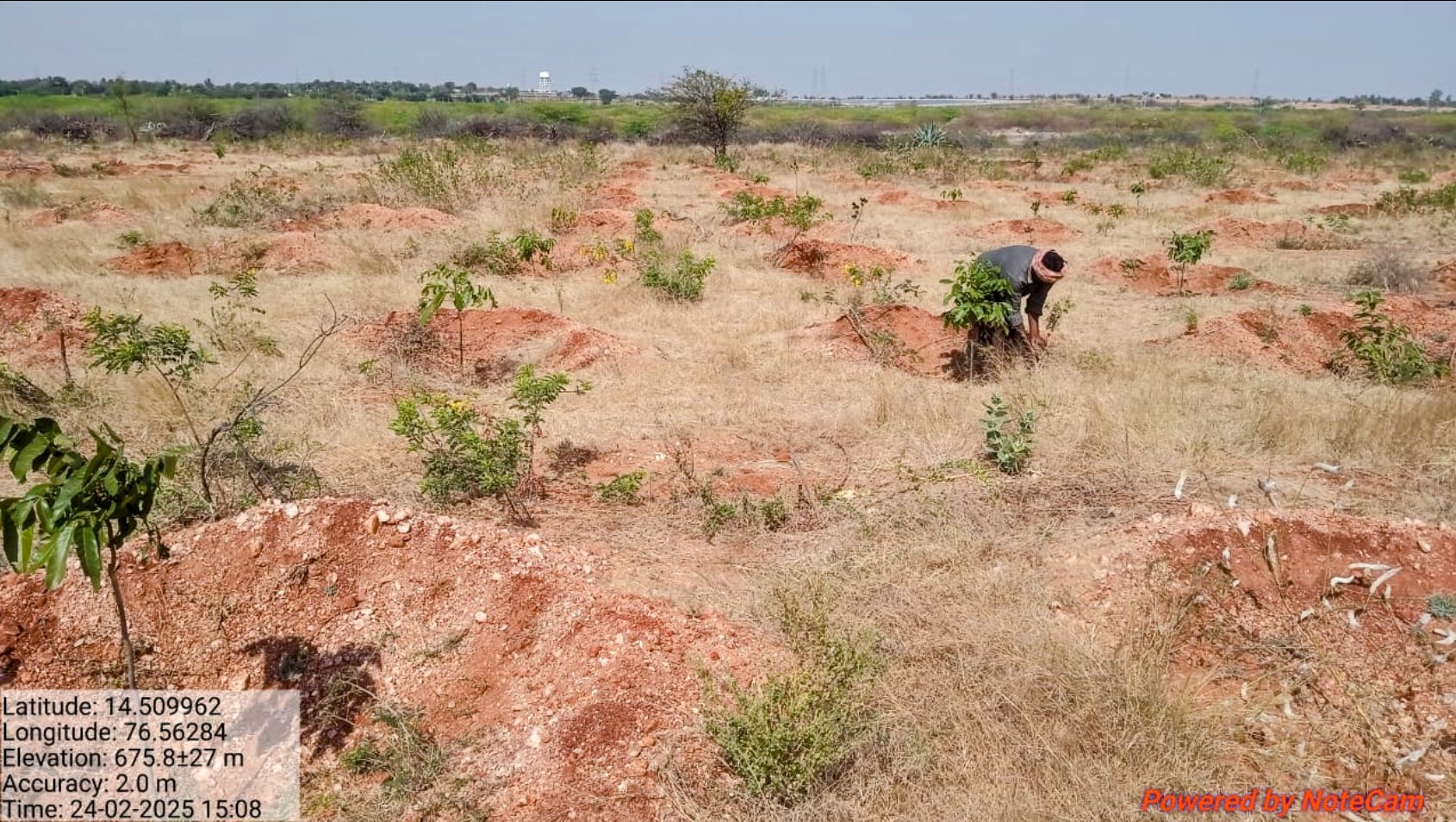
Our CSR partnerships continued with the maintenance for Amrit Mahal Community Forest project in Karnataka - we’re at a survival rate of c.76% after a year which is close to our target benchmark. Mortality has been largely affected by waterlogging from 400mm rainfall received in a period of 3 weeks in October 2024 (average annual rainfall in the region is 650mm). It’s a continuing irony in dryland planting that a primary risk is waterlogging, owing to impermeable degraded soils and the intensity of rainfall when it occurs. In our planting model our approach is generally based on micro-mapping and ground-truthing of each site and then to assist natural regeneration with replacement planting to maintain survival rates. Our view is that the first three years are critical. Some replanting is planned in the upcoming planting season.
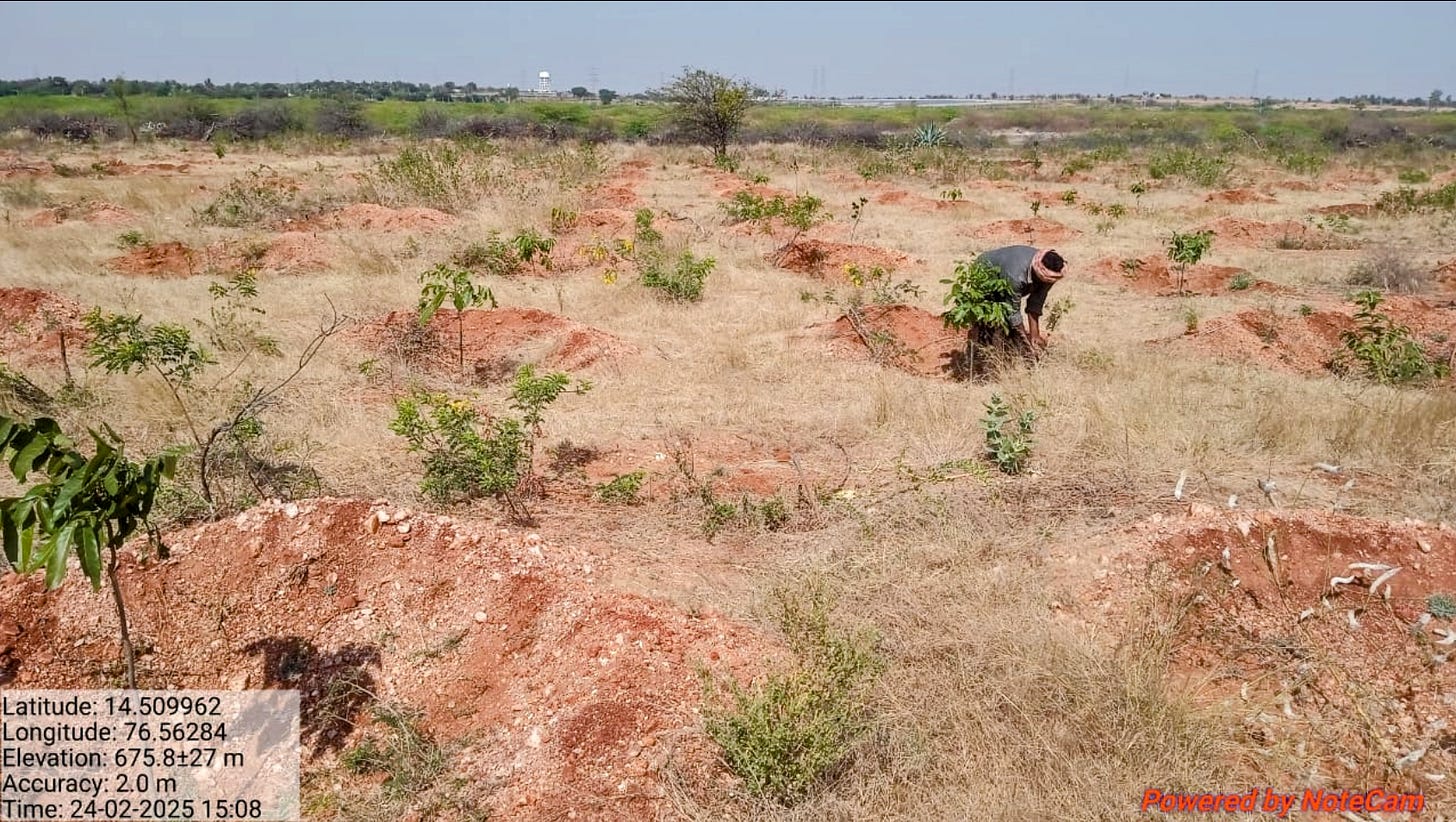
Ongoing maintenance at Amrit Mahal Community Forest
Other updates
This quarter cooperation and continuing to build and enhance our ecosystem to serve our communities was the watchword.
This quarter saw us actively engage in policy discussions at a number of Indian conferences as the Indian Carbon Market begins to take shape, ahead of its full roll-out scheduled for Q3 2026.
We also strengthened our partnership this quarter with GreenR Accelerator, where we are a member of the 2024 Cohort supported by Visa Foundation and IKEA Foundation. This partnership has led directly to an exciting new water initiative with Watsan.
Policy Initiatives
We spoke at the “National forestry and agriculture conference” at Indian Institute of Science on Monitoring, Measurement, Verification for Forest and Agriculture Carbon Sequestration Programs, current gaps and advancements required (our slides here). Academic collaborations are emerging from this, so stay tuned.
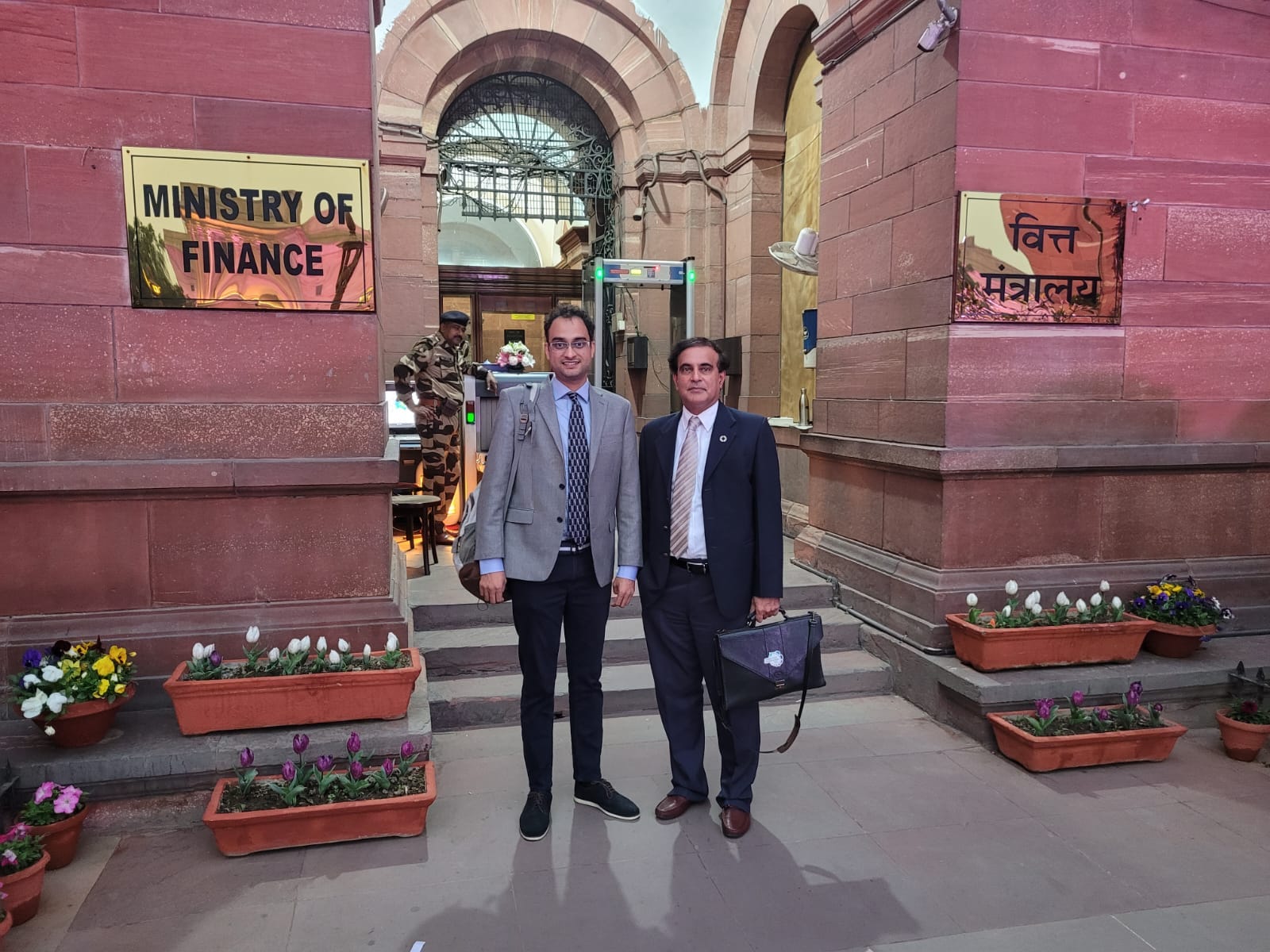
During our 2-year partnership with the GALLOP Initiative, we have been developing a financial ecosystem designed to serve as a Decarbonizing Economic Vehicle supporting India's sustainable development, jobs and livelihoods, SDGs, and NDCs. With the imminent launch of the Indian Carbon Market, we have presented our work to relevant government officials in Delhi. Reflections of this effort were also echoed at the Indian Carbon Markets (ICM) conference, as mentioned below.
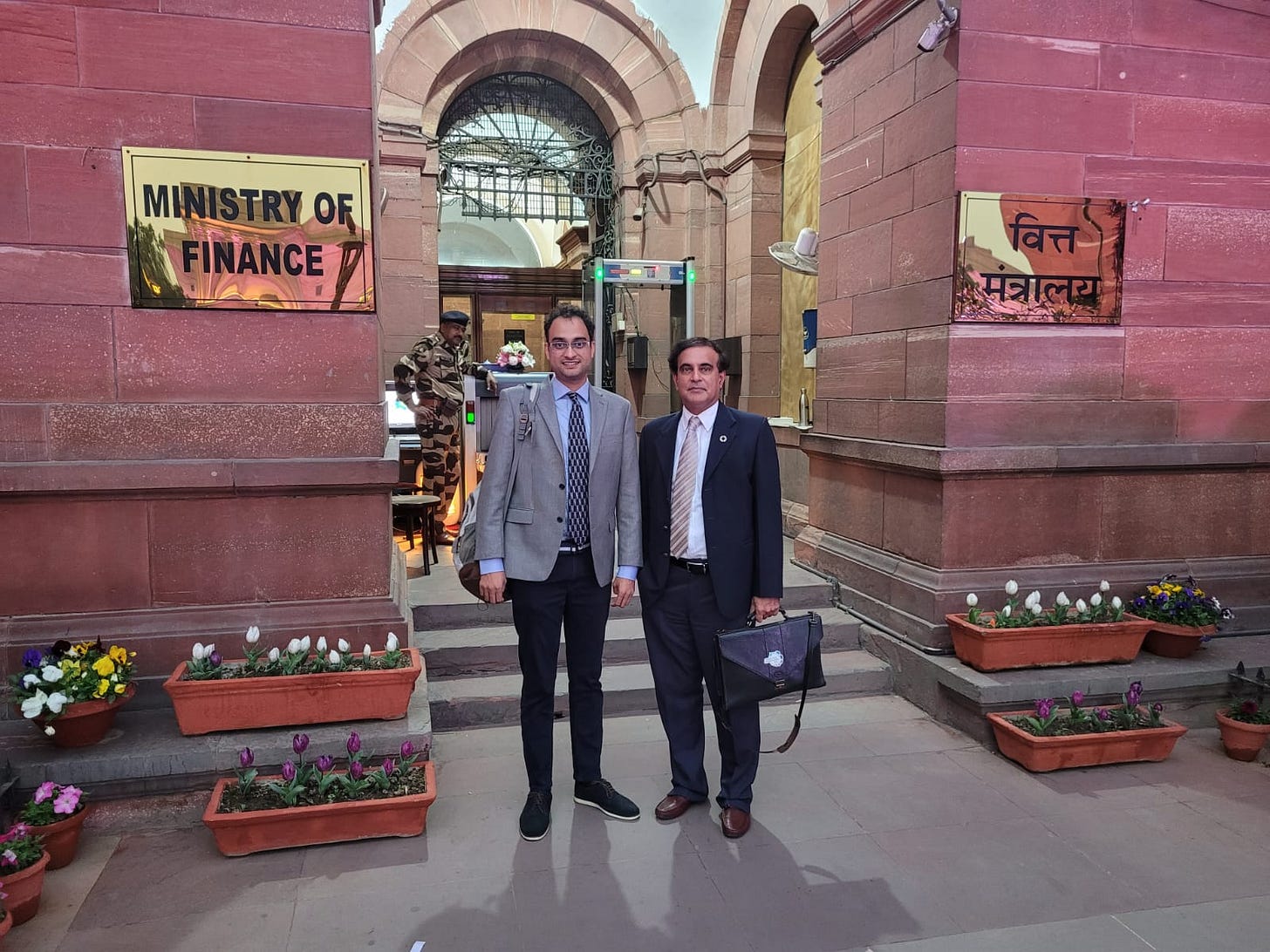
Left: Mr. Pradyot Porwal (CEO, Medius Earth); Right: Mr. Bhushan H Sethi (Founder GALLOP Initiative and Senior Policy Advisor, Medius Earth) Participated in Prakriti 2025 - International Conference on Indian Carbon Markets (ICM) and interacted with various stakeholders for making the ICM a success. The government aims to operationalize the Offset Mechanism by end of 2025 and the Compliance Mechanism in 2026. In case you missed it, videos from the event are posted here - Day 1, Day 2.
Participated in Samriddh Himachal 2045 colloquium with leaders from across the country to envision the sustainable development pathways for the state and contribute to its 2045 development vision. It was heartening to see state governments engage with a diverse set of stakeholders to imagine a climate-resilient future, while watching Mr. Sam Pitroda inspire the participants.
Medius Earth Ecosystem Initiatives & Collaborations
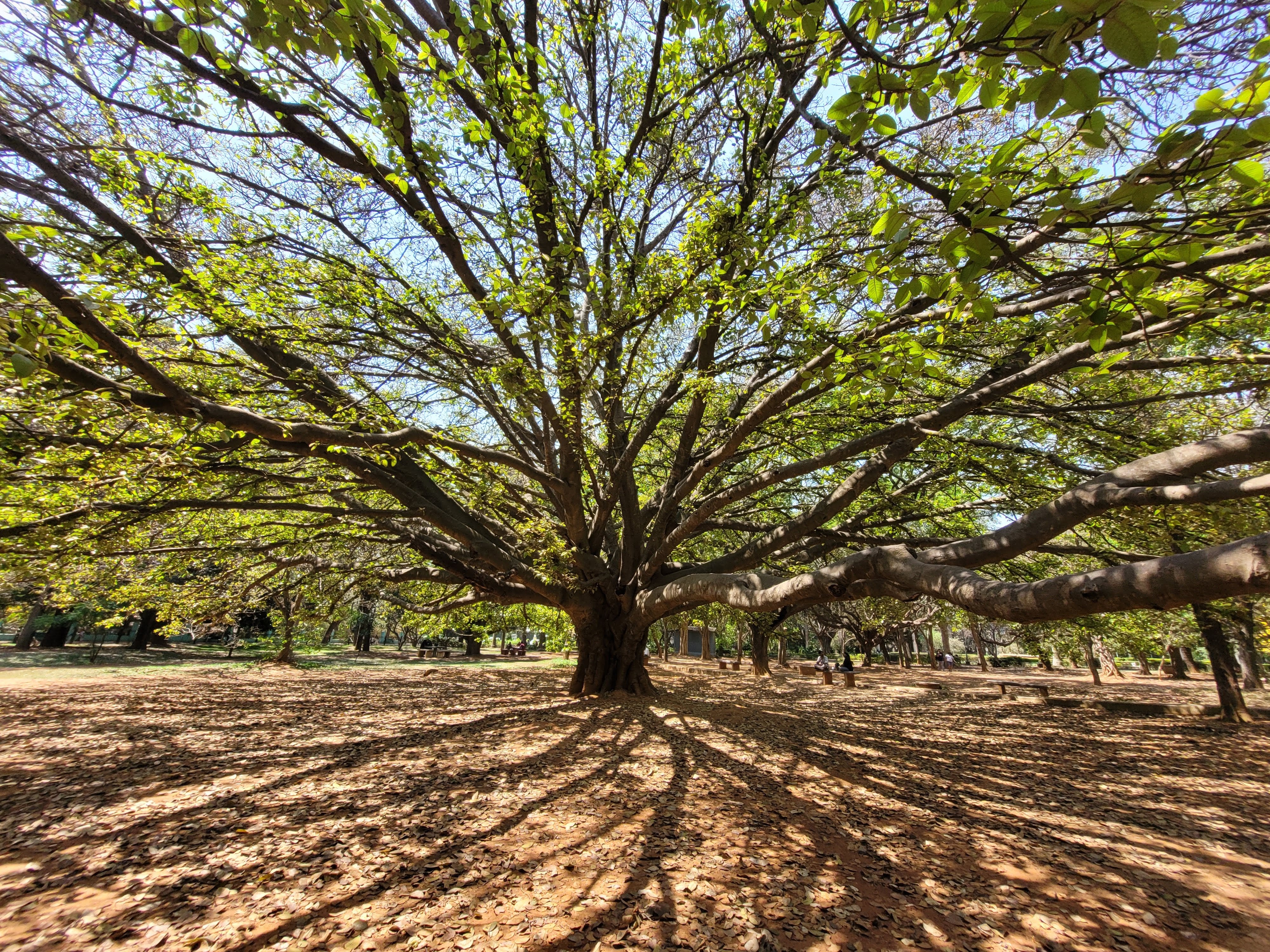
We had the pleasure of meeting Kishore Athota from Greenr (Technoserve India) in Bangalore—our advisor, supporter, and friend. As part of Greenr Cohort 2 (supported by IKEA Foundation & Visa Foundation), we explored ways to enhance our Regenerating Rajasthan project amidst Cubbon Park’s ancient trees.
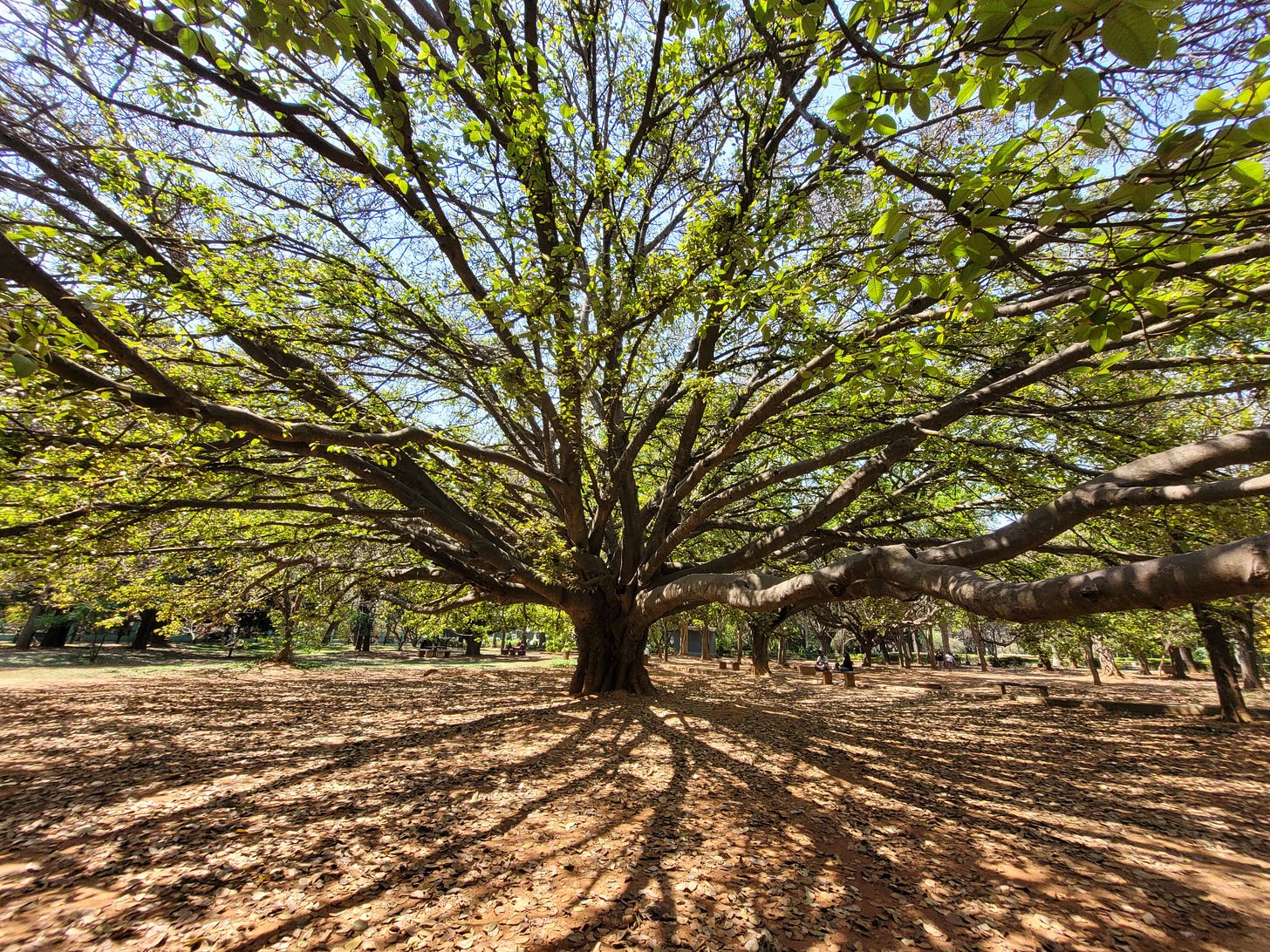
The mighty Ficus benghalensis of Cubbon Park - The Big Old Tree Owing to the inspiration maybe of the Big Old Tree, GreenR facilitated a collaboration with Watsan, a clean water and sanitation company, to integrate potable water solutions in our project areas and thus, positively impact the health of the communities we work with. Watsan, a fellow alumnus of the GreenR program, has been working for over a decade to bring affordable, low-maintenance water purification solutions to communities using its patented filtration systems. Rajasthan is a state that suffers significant water challenges on account of soil degradation with soils contaminated by fluoridation. On planting sites where boreholes are available we often reject their use owing to contamination – so visualise the drinking water challenges. We will be working with Watsan on a program to provide every Gram Panchayat we work with access to community water systems.
Medius Earth were fortunate enough to be featured by carbon insurer, Artio in a LinkedIn article. We’ve been collaborating with Artio to benchmark carbon sequestration curves and assess insurance options for potential financing partners. We were delighted to read the announcement that Artio have formed a partnership with Tokio Marine (link).
The evolution of insurance products for NBS is yet another signal that this is an asset class that should eventually be treated in a similar way to other long-term project finance based ventures.
Our CIO, Andrew MacCormack, was appointed a trustee of the newly incorporated UK charity Art of Forests (AoF). The new charity succeeds the former limited company structure to provide access to philanthropic funding to further AoF’s ongoing mission of creating inclusive and transparent dialogue in the NBS community. Caroline Pakel is the Director and fellow trustees are Fred Fournier of Open Forest Protocol , Francesca Mahoney of Wild Survivors, Tom Skirrow of Tree Aid and Andrew Heald of iNovaLand. The charity stands on the “shoulders of giants” from the original founders and 19 strong Leadership Council – including Celia Francis, Sarah Scott, Suzanne Holmberg (and many other supporting organisations, such as Terraformation – apologies for any omissions but hopefully you know who you are). AoF hopes to build on the great foundations of the last few years to expand its membership base and create an influencing voice with funders, governments and standards bodies. AoF is a great resource for all NBS developers and service providers so please encourage other NBS players to reach out to Caroline Pakel to join.
Medius Earth turned 3 year old on 25th March 2025, while admiring “big old trees” and many birdies in Mysuru.
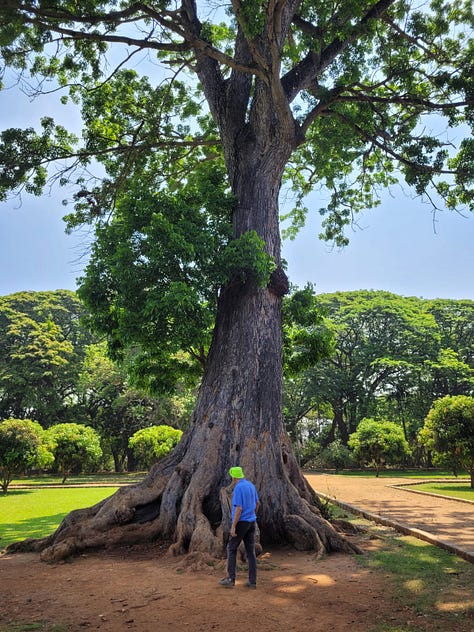
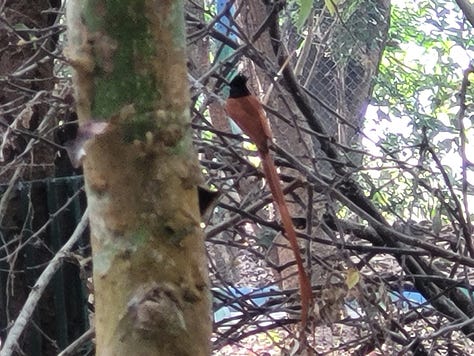
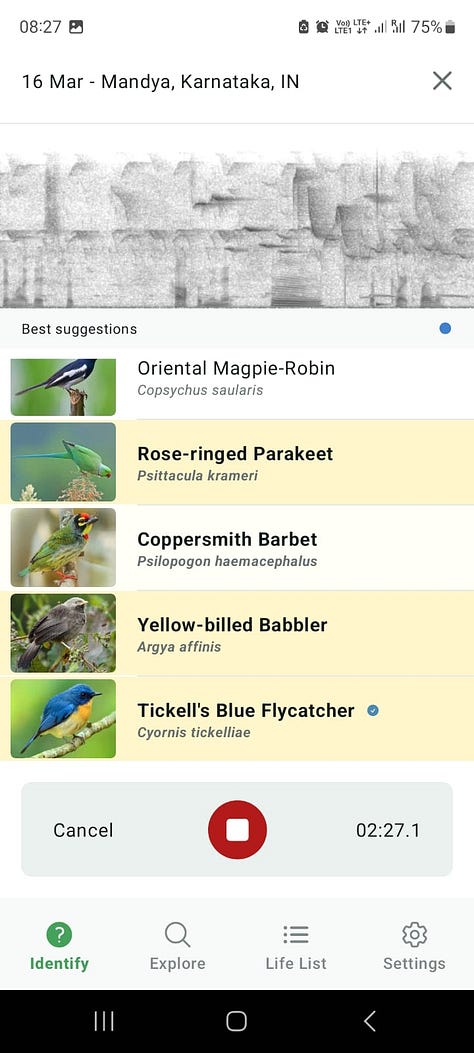
Admiring nature and taking inspiration to recreate what's lost


Symbiosis Request For Proposal
Finally any review of Q1, 2025 would be incomplete without mention of the Symbiosis Coalition RFP process which was one of the dominant themes for all NBS developers over the last few months. In their own words:
“Google, Meta, Microsoft, and Salesforce pledge to contract for up to 20M tons of high-quality nature-based carbon removal credits by 2030
Symbiosis Coalition seeks to identify and scale next-generation nature restoration projects with a focus on certainty of climate impact
· The Symbiosis Coalition aims to facilitate an advance market commitment (AMC) of up to 20 million tons of nature-based carbon removal credits. While only a fraction of the world's total carbon removal goals, this is the first and largest AMC ever for nature-based carbon removal, equivalent in volume to the 2030 carbon removal goals of the state of California. The goal of the Coalition is to send a strong demand signal to accelerate the development of high-impact, science-based restoration projects that will advance progress on global climate goals”
Medius Earth believe this is an incredible step-change in the evolution of nature-based carbon removal providing stringent requirements and benchmarking. The outreach to potential financing partners being facilitated by Symbiosis is a critical component in establishing NBS as an investable asset class. The inclusion of emerging standards, other than VERRA and Gold Standard, is also a highly welcome development as some standards may be better suited to particular developer objectives than others. This is very much an iterative, organic process but we believe the foundations are being set today for a system that can truly generate regeneration at landscape scale on a replicable, transparent basis.
Things we liked from the news
Microsoft announced offtake from a nature-based afforestation project in India (news link)
Amazon announced a service to supply high-quality credits to its partners and Climate Pledge signatories through their Sustainability Exchange (news link)
Everything about Nate Hagens’s seminal work on climate - The Great Simplification
PS: Language errors indicate work of humans
 | A guest post by
|